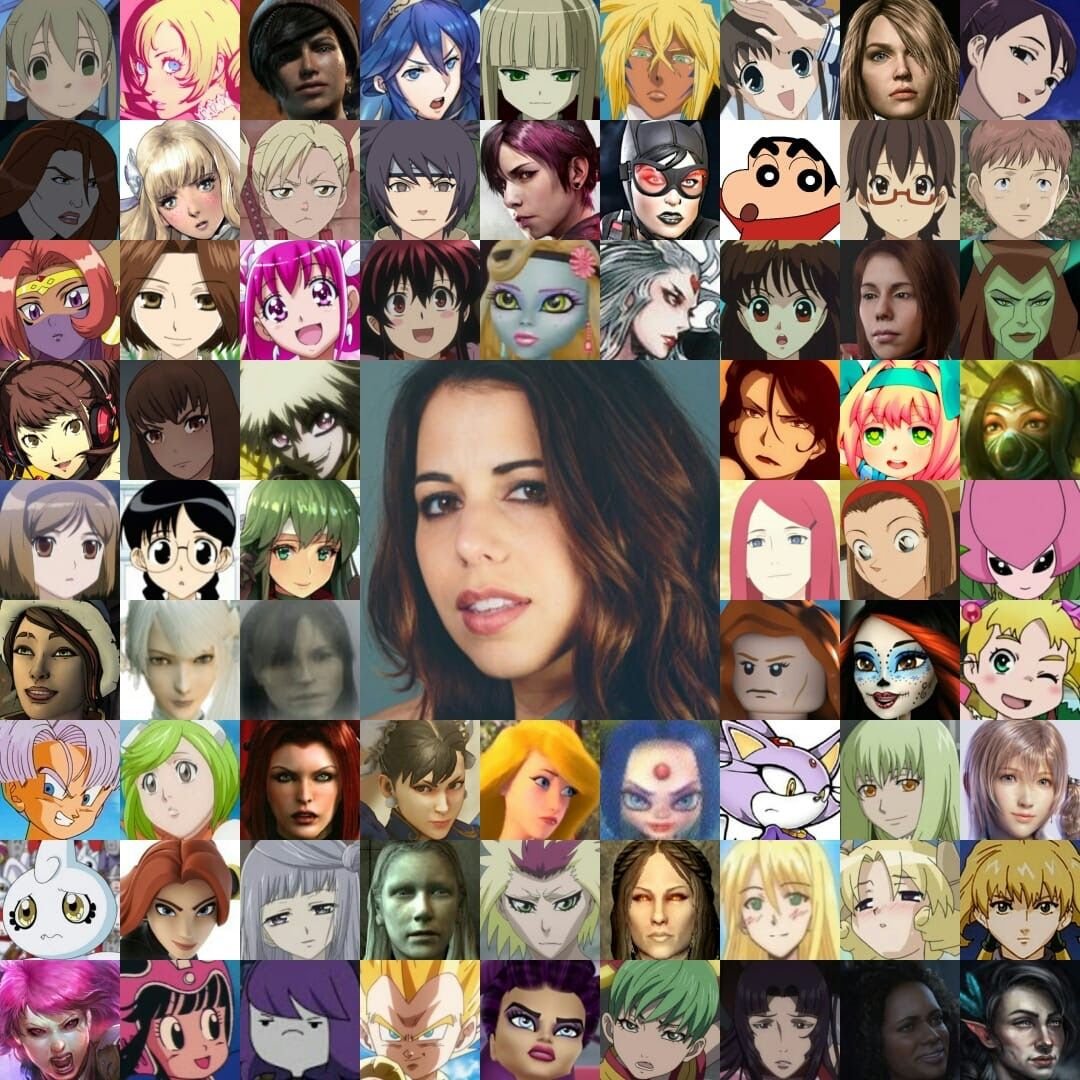
The scene is iconic: a wooden cowboy doll, brought to life not by strings, but by an unseen force. A blue genie, larger than life, grants wishes with a wink and a song. What makes these animated figures leap off the screen, resonating deeply with us long after the credits roll? It's the profound, often invisible, magic wrought by Characters and Voice Actors – an unbreakable bond that transforms lines on a script into unforgettable personalities.
This isn't just about famous people "doing voices." It's an intricate art form, a collaborative dance between animators, writers, directors, and the vocal artists who breathe genuine emotion, humor, and depth into every spoken word, gasp, and grunt. Without these dedicated performers, our beloved animated heroes and villains would remain charming drawings, devoid of the very essence that makes them feel real.
At a Glance: The Unseen Art of Animated Personalities
- Beyond "Just Talking": Voice acting is a full-body performance, requiring intense emotional and physical engagement, even when unseen.
- The Soul of the Character: Voice actors don't just mimic; they interpret, improvise, and build the character's entire vocal identity.
- Iconic Pairings: Many animated characters are forever linked to the specific voice actors who originated them, creating a legacy that transcends generations.
- Influence on Animation: Voice performances often shape the visual animation, with animators drawing inspiration from the actors' studio performances.
- A Demanding Craft: Success requires versatility, emotional range, vocal stamina, and deep acting prowess.
- Evolving Industry: From legends like Mel Blanc to the diverse talent of today, the field continues to adapt to new technologies and global demands.
More Than Just a Voice: The Unsung Heroes of Animation
Think back to the first time you truly believed an animated character had feelings. Was it the defiant yell of Simba? The mischievous cackle of the Joker? Or the comforting wisdom of Mufasa? These aren't accidental moments. They're the deliberate, painstaking work of voice actors who pour their heart and soul into creating an illusion of life. Their voices are the very essence that bridges the gap between a two-dimensional drawing and a fully realized, three-dimensional personality in our minds.
For decades, the work of these artists remained largely in the shadows, celebrated only within niche circles. Yet, their impact is undeniable. They are the unsung heroes who turn ink and pixels into cherished friends, formidable foes, and timeless legends. When you hear Tom Hanks as Woody in Toy Story, you're not just hearing a man speaking; you're hearing the very embodiment of a loyal, slightly anxious cowboy toy. Similarly, Robin Williams as the Genie in Aladdin wasn't just reading lines; he was performing a whirlwind of improvisational genius that made the character sparkle with unparalleled energy and humor. These performances aren't merely additions; they're foundational to the character's existence.
The Alchemy of Performance: How Voices Forge Personalities
Creating an animated character's voice is far from a simple task. It's an intricate dance of creativity, technique, and collaboration. Imagine stepping into a sound booth, often alone, facing a microphone and a music stand, with nothing but a script and a few preliminary character sketches. Your job is to bring this nascent personality to vivid life using only your vocal instrument.
Crafting the Character's Soul
A voice actor doesn't just "do a voice"; they inhabit the character. This means understanding their motivations, their fears, their triumphs, and their quirks. They must convey a wide spectrum of emotions—joy, sadness, anger, fear, confusion—all through subtle shifts in tone, pitch, pace, and intensity. It's a performance that demands imagination, as you're reacting to characters and environments that don't physically exist in the recording studio. Sometimes, actors are even encouraged to move, gesticulate, and use their entire body to inform the sound, translating that physical energy into vocal authenticity. This allows them to explore the intricate techniques of voice acting that bring characters to life.
Consider the detailed work. A character might be designed to be small and timid. The voice actor then has to find a voice that matches that physical presence—perhaps a higher pitch, a softer volume, or a hesitant delivery. Conversely, a towering, menacing villain requires a voice with gravitas, power, and perhaps a touch of unsettling calm. The voice artist explores various vocal palettes, experimenting until they find the perfect match that resonates with the animators' vision and the writers' dialogue.
The Audition Arena
Landing an iconic voice role is a fiercely competitive process. Voice actors typically audition against hundreds, sometimes thousands, of others. Directors often have a specific sound or quality in mind, but they're also looking for chemistry, versatility, and an actor's unique interpretation of the character. Many times, the initial character design might be tweaked or even completely reimagined based on a particularly compelling vocal performance during auditions, showing the profound influence a voice actor can have from the earliest stages.
Voice Direction: The Unseen Partnership
Once cast, the collaboration truly begins. Voice directors are crucial guides, helping actors navigate the emotional landscape of the script, fine-tuning performances, and ensuring continuity across potentially years of production. They provide context, offer adjustments, and push actors to explore the full range of their characters, often leading to improvisational moments that become legendary. It's a testament to the seamless partnership between creative talents that allows characters to develop the psychology behind compelling animated characters.
Iconic Characters and Voice Actors: A Hall of Fame
Certain pairings of animated characters and their voice actors become etched into popular culture, defining generations and setting benchmarks for vocal performance. These aren't just actors reading lines; they are the definitive sound of a character, making them impossible to imagine any other way.
Let's look at some of the titans who have mastered the art:
- Mel Blanc (Looney Tunes, basically everyone): The original "Man of a Thousand Voices." Blanc didn't just voice Bugs Bunny, Daffy Duck, Porky Pig, Sylvester the Cat, Tweety Bird, Yosemite Sam, and so many more; he was them. His unparalleled versatility and comedic timing laid the groundwork for an entire industry, demonstrating how one performer could create an entire universe of distinct personalities.
- James Earl Jones (Mufasa in The Lion King, Darth Vader in Star Wars): The quintessential voice of authority and power. Jones's deep, resonant baritone brings a majestic gravitas to Mufasa's wisdom and a chilling, indomitable menace to Darth Vader. These performances showcase how a specific vocal quality can define a character's presence and impact.
- Robin Williams (Genie in Aladdin): A masterclass in improvisation and boundless energy. Williams’s performance as the Genie was so revolutionary that it fundamentally changed how studios approached celebrity voice casting. His rapid-fire impressions, ad-libs, and heartfelt emotional turns made the Genie one of animation's most beloved and iconic figures, creating a character that felt incredibly alive and spontaneous.
- Tom Hanks (Woody in Toy Story franchise): The voice of unwavering loyalty and a touch of existential anxiety. Hanks imbues Woody with such genuine warmth and relatability that he transcends being a toy, becoming a deeply empathetic character whose emotional journey anchors the entire series. His portrayal makes Woody feel like a true leader, flawed yet eternally dedicated.
- Mark Hamill (The Joker in Batman: The Animated Series and beyond): From Luke Skywalker to the Clown Prince of Crime, Hamill's transformation is legendary. His Joker is a symphony of madness—chilling, gleeful, unpredictable, and utterly captivating. It's a performance so definitive that it's widely considered the gold standard for the character, proving that a voice actor can redefine an iconic role.
- Kevin Conroy (Batman in Batman: The Animated Series and beyond): The other half of the legendary BTAS duo. Conroy's deep, gravelly tone as Batman and his lighter, distinguished Bruce Wayne became the definitive vocal portrayal of the Caped Crusader for a generation. He masterfully conveyed the duality of the character, a feat that requires immense control and understanding of the role.
- Kathleen Turner (Jessica Rabbit in Who Framed Roger Rabbit): Her sultry, smoky voice gave life to one of animation's most famously alluring characters. Turner's performance proved that a voice could evoke sophistication, mystery, and a surprising amount of heart, defining a character whose appeal was largely vocal.
- Peter Cullen (Optimus Prime in Transformers franchise): Cullen's deep, commanding, yet compassionate voice is inextricably linked to the heroic Autobot leader. His portrayal gives Optimus Prime his moral compass and iconic stature, making him a symbol of hope and unwavering leadership.
- Auli'i Cravalho (Moana in Moana): At just 14 years old, Cravalho brought an incredible blend of strength, determination, and youthful innocence to the titular Disney princess. Her powerful singing voice and heartfelt acting made Moana an instant hit, resonating deeply with audiences worldwide.
- Kristen Bell (Anna in Frozen franchise): Bell’s quirky, optimistic, and slightly awkward portrayal of Anna brought a fresh, modern energy to the Disney heroine. Her nuanced performance, combined with her strong singing abilities, made Anna incredibly relatable and endearing.
- Paige O'Hara (Belle in Beauty and the Beast): O'Hara's elegant yet strong voice perfectly captured Belle's intelligence, compassion, and independent spirit. She imbued Belle with a quiet strength that made her an aspirational character for millions.
And we can’t forget the charm and character found in classics like Disney's beloved tale of two dogs from different worlds. For a Complete guide to Lady and the Tramp, you can explore how Barbara Luddy and Larry Roberts brought these iconic canine personalities to life with their distinct vocal performances, setting a precedent for heartwarming animated storytelling.
These examples are just a glimpse into the vast world where characters and voice actors become inseparable, creating legacies that endure.
Behind the Booth: The Voice Actor's Toolkit
What does it take to join this esteemed group? It's more than just a pleasant speaking voice. Professional voice actors cultivate a specialized toolkit that allows them to perform at an elite level.
Vocal Versatility: The Chameleon's Art
The ability to create distinct voices is paramount. This includes mastering different accents, experimenting with various pitches (from squeaky high to rumbling low), manipulating resonance, and controlling vocal texture (smooth, raspy, airy). A good voice actor can convincingly portray a wise elder, a mischievous child, a terrifying monster, and a calm narrator, sometimes all within the same day. This demands incredible vocal control and stamina.
Empathy and Emotion: Speaking from the Heart
Ultimately, voice acting is acting. It requires the ability to understand and convincingly portray complex emotions. An actor must convey a character's joy, sorrow, anger, or confusion not just through the words themselves, but through the subtle inflections, pauses, and breaths that give those words weight. They need to find the emotional truth of a scene and deliver it purely through their voice, without the benefit of facial expressions or body language visible to the audience. This makes them adept at bringing emotion to the rich history of Disney animation.
Physicality of Voice Acting: It's Not Just Standing Still
While the audience doesn't see them, voice actors often engage their entire body during a performance. They might jump, gesture wildly, or even perform mild stunts in the booth to help generate the right vocal energy and sound effects. If a character is running, the actor might jog in place. If they're struggling, the actor might physically strain. This physical engagement helps ground the vocal performance, making it more authentic and dynamic.
Common Misconceptions About Voice Acting
Despite its growing recognition, voice acting is still subject to several common misunderstandings:
- "It's easy; you just talk into a mic." This couldn't be further from the truth. Voice acting is a demanding profession that requires immense vocal skill, acting talent, and endurance. It involves memorization, improvisation, hitting precise timing cues, and delivering emotionally powerful performances in often grueling recording sessions. It's a craft that's honed over years, not something anyone can simply "do."
- "Voice actors aren't famous." While many career voice actors may not have mainstream celebrity recognition, they are highly respected and famous within their industry and among dedicated fanbases. Many have achieved considerable wealth and renown through their work. Moreover, the increasing trend of casting celebrity actors in major animated roles has brought more attention to the voice acting world as a whole.
- "You don't need to look the part." This is largely true and one of the liberating aspects of voice acting. It allows for incredible diversity in casting, where an actor's appearance is irrelevant to their ability to voice a character. However, it still requires exceptional acting ability, vocal range, and the capacity to bring a character to life, regardless of how they look.
The Evolving Landscape: New Frontiers and Challenges
The world of characters and voice actors is constantly evolving, driven by technological advancements, global markets, and shifting industry trends.
Global Reach and Localization
With animation now a truly global phenomenon, the demand for high-quality localized voice acting is immense. Projects are often dubbed into dozens of languages, requiring talented actors who can not only translate dialogue but also maintain the original character's essence, emotion, and comedic timing, all while syncing to the animated mouth movements. This global demand creates incredible opportunities for voice artists worldwide.
The Rise of AI: Opportunities and Threats
Artificial intelligence is increasingly capable of generating realistic voices, posing both opportunities and challenges for the voice acting industry. AI can assist with background characters, quick ADR (Automated Dialogue Replacement), or even initial script readings. However, the nuanced, emotional, and improvisational quality of a human performance remains largely irreplaceable for lead characters, particularly those designed to evoke deep empathy or complex humor. The industry is grappling with how AI is reshaping creative industries and how human talent will continue to be valued.
Casting Trends: Celebrity vs. Career Voice Actors
There's an ongoing debate within the industry regarding the casting of "celebrity" actors (well-known film/TV stars) versus "career" voice actors (specialists who primarily work in voice-over). While celebrity voices can bring star power and marketing appeal to a project, career voice actors often possess unparalleled versatility, technical skill, and a deep understanding of the unique demands of the booth. Many modern productions strive for a balance, leveraging the strengths of both groups to create compelling casts. This complex dynamic shapes the modern casting process in animation.
The Legacy of Laughter, Tears, and Inspiration
The partnership between characters and voice actors is a timeless one, rooted in the fundamental human desire for storytelling and connection. From the earliest days of animation to the cutting-edge productions of today, these vocal artists have shaped our understanding of characters, evoked our deepest emotions, and left an indelible mark on our cultural landscape. They are the unseen architects of our childhood dreams, the voices that whispered courage, provoked laughter, and even taught us profound life lessons.
The next time you settle in to watch an animated film or series, take a moment to appreciate the incredible talent behind the voices. Listen closely to the subtle inflections, the perfectly timed pauses, and the sheer emotional power conveyed through sound alone. You'll find that what makes those animated personalities truly unforgettable isn't just clever animation or brilliant writing—it's the human voice, expertly wielded, giving them a soul. Their artistry transforms simple drawings into living, breathing, legendary figures that will continue to inspire and entertain for generations to come.