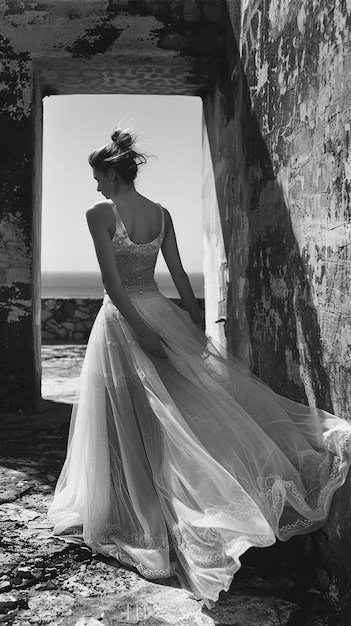
Every film buff has a mental highlight reel, a collection of images and sounds etched into their memory, transcending the silver screen to become part of our collective consciousness. These aren't just great scenes; they are Iconic Scenes and Memorable Moments – cinematic touchstones that resonate across generations, shaping how we tell stories and perceive the world. They are the beats that define films, launch careers, and inspire countless homages, parodies, and conversations.
So, what transforms a mere sequence of frames into something truly indelible? Let's peel back the layers and explore the magic behind cinema's most unforgettable instances.
At a glance: What makes a scene truly iconic?
- Emotional Resonance: They evoke powerful feelings – joy, terror, wonder, heartbreak – that stick with you long after the credits roll.
- Narrative Impact: They often represent pivotal plot twists, character revelations, or genre-defining turns.
- Technical Brilliance: Breakthroughs in cinematography, editing, sound, or special effects that push the boundaries of filmmaking.
- Cultural Significance: Scenes that become part of our shared cultural lexicon, quoted, referenced, and endlessly discussed.
- Visual Memorability: A single frame often tells the entire story, becoming instantly recognizable as a symbol of the film.
The Genesis of Legend: Why Certain Moments Just Stick
Think about it: out of countless hours of film produced annually, only a tiny fraction of scenes achieves "iconic" status. It's not just about being entertaining or well-executed; it’s about a perfect storm of elements converging to create something transcendent. These moments often defy simple categorization, blending superb writing, masterful direction, unforgettable performances, and a unique cultural context that allows them to embed themselves in our minds.
A truly iconic scene isn't just seen; it's experienced. It becomes a shorthand for complex ideas, emotions, or historical shifts, making us pause, reflect, and sometimes, even re-evaluate our own realities.
The Unforgettable Gallery: Dissecting Cinema's Most Potent Moments
From the very dawn of cinema to today's blockbusters, certain scenes have captivated audiences and refused to fade. They are the moments that define genres, challenge conventions, and showcase the boundless potential of visual storytelling.
Visual Spectacles & Technical Triumphs
Some iconic scenes are etched into our minds primarily through their sheer visual power or groundbreaking technical innovation. They demonstrated what was possible with a camera, a prop, or a clever edit, forever altering the cinematic landscape.
- L'Arrivée D'Un Train À La Ciotat (1895) – The "Birth of Cinema" Scare: Imagine audiences seeing a train rushing towards them on screen for the first time. This simple, early film wasn't just a scene; it was a revelation, reportedly causing viewers to flee in terror. It perfectly illustrates cinema's primal power to transport and immerse.
- La Voyage Dans La Lune (1902) – Man in the Moon: Georges Méliès' fantastical image of a rocket ship lodged in the eye of the Man in the Moon isn't just whimsical; it's a foundational piece of science fiction cinema. It showcased the power of special effects and imagination long before CGI was even a dream.
- Safety Last (1923) – Harold Lloyd's Perilous Climb: The image of Harold Lloyd dangling precariously from the hands of a giant clock face high above the city streets is an unparalleled feat of practical effects and comedic tension. It epitomizes the "thrill comedy" genre and the silent era's ingenuity.
- King Kong (1933) – Apex of an Icon: King Kong atop the Empire State Building, defiantly battling biplanes, is more than just a creature feature climax. It’s a tragic symbol of raw power clashing with civilization, a visual metaphor for the untamed spirit crushed by modernity, and a stop-motion masterpiece.
- 2001: A Space Odyssey (1968) – The Dawn of Man: The astonishing jump-cut from a hominin tossing a bone, which then transitions into a spaceship, remains one of cinema's most profound edits. As CBR.com notes, it's a silent, powerful allegory for human evolution and technological advancement, spanning millennia in a single, audacious cut. This moment isn't just visually striking; it's deeply philosophical. exploring the power of editing allows filmmakers to bridge vast gaps in time and meaning.
- E.T. The Extraterrestrial (1982) – Flight of Childhood Dreams: E.T. and Elliott silhouetted against a full moon, soaring on a bicycle, is pure, unadulterated cinematic magic. Accompanied by John Williams' iconic score, this image, identified by Filmsite.org as one of the most memorable, embodies childhood fantasy, wonder, and the transcendent power of friendship. It became a defining symbol of Steven Spielberg and 1980s cinema.
- The Matrix (1999) – Bullet Time Breakthrough: Neo dodging bullets in slow-motion, bending backward in an impossible arc, wasn't just a cool visual; it was a technological revolution. The "bullet-time" effect, achieved through a complex array of still cameras, redefined action cinema and became instantly synonymous with the Wachowskis' groundbreaking film.
Emotional Gut Punches & Character-Defining Beats
Sometimes, an iconic scene hits us not with grand spectacle, but with raw emotion, a pivotal character decision, or a dialogue exchange that changes everything.
- The Wizard of Oz (1939) – There's No Place Like Home: Dorothy clicking her Ruby Slippers and uttering the immortal line isn't just a memorable quote; it's the culmination of her journey, a bittersweet understanding that true happiness lies not in escaping, but in appreciating what you have. It's a timeless message delivered with heartfelt simplicity.
- Citizen Kane (1941) – The Enigmatic "Rosebud": The whisper of a single word, "Rosebud," by Charles Foster Kane on his deathbed, sets in motion one of cinema's greatest mysteries. This opening scene isn't just iconic for its narrative hook, but for establishing a revolutionary non-linear storytelling structure and leaving an enduring puzzle at the heart of the film.
- Singin' in the Rain (1952) – Pure Joy Unleashed: Don Lockwood (Gene Kelly) dancing and singing in the pouring rain, expressing pure, unbridled joy and newfound love, is cinematic ecstasy personified. CBR.com ranks it highly because it perfectly captures the effervescence of Hollywood's Golden Age and the transformative power of happiness, all amidst the chaotic transition to "talkies."
- The Seven Year Itch (1955) – Marilyn Monroe's Iconic Gown: Marilyn Monroe's white dress billowing over a subway grate is more than just a sexy image; it's a symbol of 1950s allure, Hollywood glamour, and the playful, flirtatious persona that defined an era. Filmsite.org rightly includes it as one of the most recognizable movie images.
- Psycho (1960) – The Shower Scene: Alfred Hitchcock's infamous shower stabbing scene is a masterclass in suspense, editing, and psychological terror. It broke cinematic taboos, shocked audiences, and permanently altered our perception of safety. It's iconic not just for its violence, but for its groundbreaking visual storytelling and the indelible mark it left on the horror genre.
- Carrie (1976) – The Prom Night Nightmare: Carrie White, doused with pigs' blood on prom night, is a horrifying and tragic image of public humiliation transforming into vengeful rage. As CBR.com highlights, this scene is a genre staple, marking her violent telekinetic turning point and cementing itself as a quintessential moment in horror.
- Star Wars Episode V: The Empire Strikes Back (1980) – "I Am Your Father": Darth Vader's shocking confession to Luke Skywalker is perhaps the definitive twist in cinematic history. It reshaped the narrative of an entire saga, became a cultural touchstone for unexpected revelations, and left audiences reeling. This moment redefined parental reveals and storytelling stakes for generations to come.
Narrative Twists & World-Building Revelations
These scenes aren't just impactful; they actively advance the plot, deepen our understanding of the world, or deliver a payoff that forever changes the story's trajectory.
- Band of Outsiders (1964) – The Café Dance: Franz, Arthur, and Odile performing a coordinated, spontaneous dance in a café is a moment of pure, unadulterated New Wave cool. CBR.com points out how it illustrates their unique bond and unison, a fleeting moment of joy and connection amidst their planned robbery, revealing character through unconventional means. understanding a director's vision is key to appreciating such non-traditional narrative beats.
- The Graduate (1967) – Bus Ride to Uncertainty: Benjamin Braddock interrupting Elaine Robinson's wedding and their subsequent escape on a bus captures the impulsive, often uncertain nature of youth. As CBR.com notes, their initial hysterical laughter gives way to worry and regret, perfectly reflecting the lack of impulse control and existential uncertainty of young adults in their 20s. It’s a profoundly resonant ending that avoids easy answers.
- Some Like It Hot (1959) – "Nobody's Perfect!": The closing scene where Jerry (as Daphne) reveals his true identity to Osgood, who famously responds, "Well, nobody's perfect!", is a comedic masterpiece and a surprising, progressive punchline. It subverts expectations, embraces eccentricity, and delivers one of the most delightfully understated and accepting lines in film history.
- Harry Potter and the Sorcerer's Stone (2001) – The Wand Chooses the Wizard: Harry's visit to Ollivander's wand shop in Diagon Alley, where "The wand chooses the wizard," is more than just a plot point. It's the moment the audience, alongside Harry, is truly inducted into the magical Wizarding World. CBR.com highlights its importance in establishing the enchantment and mystery of this beloved universe.
- Iron Man (2008) – "I Am Iron Man": Tony Stark's public declaration, "I am Iron Man," at a press conference, subverted the entire superhero genre. Instead of protecting a secret identity, he owned it, ushering in a new era for the Marvel Cinematic Universe where heroes' personal lives and public personas were intertwined. This single line fundamentally changed superhero storytelling for the next decade.
Moments of Pure Wonder & Enchantment
Sometimes, an iconic scene simply sweeps you off your feet, transporting you to another realm through sheer beauty and imagination.
- Aladdin (1992) – A Whole New World: Aladdin and Princess Jasmine's magical flying carpet ride across diverse landscapes, accompanied by the song "A Whole New World," is an animated triumph. It's a visually stunning sequence that embodies romance, adventure, and the thrilling promise of new experiences, becoming a hallmark of Disney animation. Learn more about Lady and the Tramp also features iconic moments of animated romance and shared experiences, illustrating how different animation styles achieve similar emotional resonance.
- Lady and the Tramp (1955) - Spaghetti Kiss: While not on the provided lists, the spaghetti kissing scene is an undeniable moment of animated wonder. The shared plate of pasta, leading to an accidental kiss, captures a simple, tender romance that is both charming and enduring, showcasing how animation can craft heartfelt, iconic moments.
The Craft Behind the Magic: Why These Moments Endure
It's not enough for a scene to be well-written; it has to be executed flawlessly across multiple disciplines. The enduring power of these moments is a testament to the collaborative artistry of filmmaking.
- Masterful Direction: Visionary directors like Stanley Kubrick (2001), Alfred Hitchcock (Psycho), and Steven Spielberg (E.T.) understood precisely how to frame a shot, pace a sequence, and elicit peak performances to maximize impact. They orchestrate every element to serve a singular, powerful moment.
- Impeccable Writing: Whether it's a profound line of dialogue ("Rosebud," "I am your father") or a powerful non-verbal beat (the bone toss), the script provides the foundation. Strong writing ensures clarity of emotion, purpose, and character.
- Unforgettable Performances: Actors breathe life into the script. Gene Kelly's joyous abandon, Marilyn Monroe's playful sensuality, or Tony Stark's defiant swagger – these performances elevate the written word into an emotional experience.
- Transcendent Music and Sound Design: John Williams' score for E.T. or Bernard Herrmann's shrieking violins in Psycho are inseparable from their scenes. Music amplifies emotion, builds tension, and often becomes the sonic signature of the moment. Furthermore, the role of sound in storytelling extends beyond music, incorporating ambient noises and effects to heighten realism or discomfort.
- Precision Editing: The rhythm, timing, and flow of cuts are crucial. The jump-cut in 2001 or the rapid-fire montage in Psycho's shower scene demonstrate how editing can manipulate time, create suspense, and embed images deep within our subconscious.
The Ripple Effect: How Iconic Scenes Shape Cinema and Culture
These moments don't exist in a vacuum. Their impact resonates far beyond the individual film.
- Inspiring New Generations: Aspiring filmmakers study these scenes, breaking them down to understand the mechanics of powerful storytelling. They become benchmarks for excellence and sources of creative inspiration, often leading to homages and reinterpretations.
- Cultural Shorthand: Phrases like "Rosebud" or "I am your father" enter everyday conversation, becoming metaphors for hidden truths or shocking revelations. These scenes become cultural touchstones, referenced in everything from commercials to political cartoons.
- Redefining Genres: The shower scene in Psycho forever changed horror. Iron Man's confession fundamentally altered the superhero genre's approach to identity. These scenes push boundaries and establish new conventions, influencing countless films that follow.
- Academic and Critical Discourse: Iconic scenes are endlessly analyzed by critics and academics, providing fertile ground for discussions on film theory, cultural studies, and the evolution of cinematic language.
Beyond the Screen: When Film Leaps into Our Lives
The true measure of an iconic scene's power might be its ability to transcend its original context and become a part of our broader cultural fabric.
- Quotability: How many times have you heard "There's no place like home" or references to dodging bullets in "bullet time"? These lines and visuals become part of our collective lexicon.
- Parodies and Homages: From sketch comedy to other films, iconic scenes are frequently parodied, not out of disrespect, but as a testament to their deep recognition. These parodies confirm their status as cultural landmarks.
- Merchandise and Memes: A simple silhouette of E.T. and Elliott flying across the moon is instantly marketable. Neo bending backward in "bullet time" is a GIF waiting to happen. These images distill complex scenes into easily digestible, highly shareable cultural artifacts.
Common Misconceptions About Iconic Scenes
Despite their ubiquity, there are often misunderstandings about what makes a scene truly iconic.
- "They're always massive action sequences." Not true! While big action can be iconic (The Matrix), many enduring scenes are quiet, dialogue-driven, or emotionally charged (Some Like It Hot's ending, The Graduate's bus ride). The impact often comes from character or narrative, not just spectacle.
- "They have to be from 'classic' or 'old' films." While many classics feature iconic moments, contemporary films also produce them. Iron Man and The Matrix are relatively recent examples that have already achieved this status, proving that new cinema can quickly forge lasting impressions.
- "It's just about a 'cool factor'." While coolness can play a role (Band of Outsiders dance), true icon status often comes from deeper meaning – emotional resonance, thematic depth, or significant narrative turning points. The "cool" factor might grab attention, but substance makes it stick.
- "They're always universally loved." Not every iconic scene is universally praised upon release. Some are controversial, shocking, or divisive (like Psycho's shower scene). Their iconic status often comes from their impact and cultural discussion, regardless of initial reception.
Cultivating Your Own Cinematic Eye: How to Spot and Appreciate Iconic Moments
So, how can you become more attuned to these special moments when you watch a film?
- Pay Attention to First Impressions: What visually or emotionally grabs you? What lingers in your mind immediately after watching? These gut reactions are often a good indicator.
- Look for Turning Points: Does a scene fundamentally change a character's trajectory, alter the plot's direction, or reveal a crucial piece of information? These are often strong candidates.
- Notice Technical Brilliance: Is the cinematography breathtaking? The editing revolutionary? The sound design immersive? Filmmakers often push their craft to make key moments stand out.
- Listen for Memorable Dialogue: Are there lines that instantly stick with you, that you can imagine people quoting for years to come?
- Consider Cultural Impact: Think about what you've seen referenced in other media. While this happens after the fact, it trains your eye to recognize the qualities that make a scene culturally resonant.
- Revisit and Reflect: Iconic scenes often gain depth on rewatching. Understanding the context of the entire film allows you to appreciate the scene's strategic placement and profound effect.
The Ever-Expanding Canvas of Unforgettable Cinema
The landscape of iconic scenes is always expanding, with new films constantly challenging and captivating audiences. What remains constant, however, is the human need for powerful storytelling. These memorable moments are more than just entertainment; they are cultural touchstones, emotional anchors, and vivid reminders of cinema's enduring power to reflect, challenge, and inspire us.
So, the next time you settle down with a movie, keep your cinematic eye open. You might just witness the birth of the next unforgettable moment that defines a generation. And perhaps, that's the greatest magic of all.